
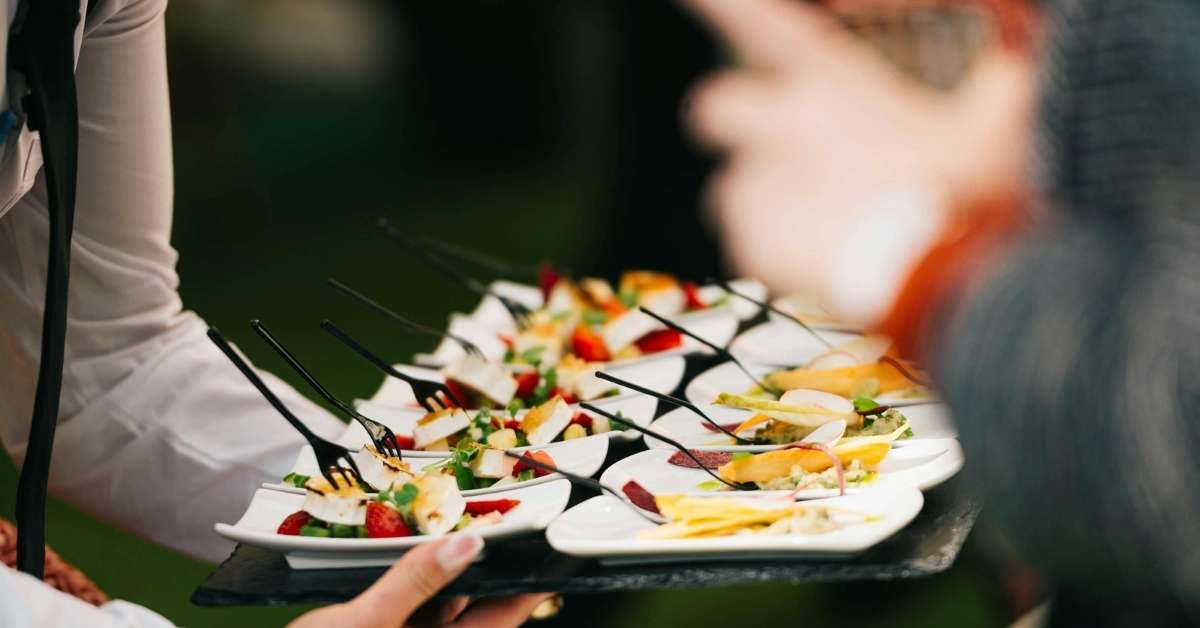
The types of catering services differ in real ways, especially when you compare how each one runs during an event. A plated wedding reception doesn’t operate the same way as a backyard barbecue. A corporate lunch has a different pace than a holiday party at home.
Food matters, sure. But timing, staffing, and setup usually matter more. Pick the wrong format, and the day feels clunky. Pick the right one, and everything just moves.
KEY POINTS
- The types of catering services you choose should match how your event runs, including guest movement, timing, and level of formality.
- Selecting the right service format early helps prevent logistical issues and keeps the focus on the experience rather than food management.
12 Types of Catering Services for Different Events
1. Wedding Catering
Weddings require coordination. Dinner needs to arrive at the right moment, not too early and not halfway through a toast. Staff manage pacing, clear plates discreetly,f and stay aligned with the event timeline.
Professional wedding catering typically includes full staffing, setup, vendor coordination, and cleanup, so the couple can stay focused on their guests rather than logistics.
2. Corporate Event Catering
Business events have a different rhythm. Meetings run on agendas, and food service has to fit inside that structure. Long buffet lines or delayed deliveries quickly become distractions.
Organized corporate event catering keeps service efficient and professional without drawing unnecessary attention.
Corporate demand has also influenced the broader catering industry. According to IBISWorld, corporate catering has become a primary growth driver in the United States, supported by return-to-office policies and increased workplace spending.
Industry revenue has grown steadily over the past five years, reflecting the continued influence of workplace meals and company events on catering formats.
3. BBQ Catering
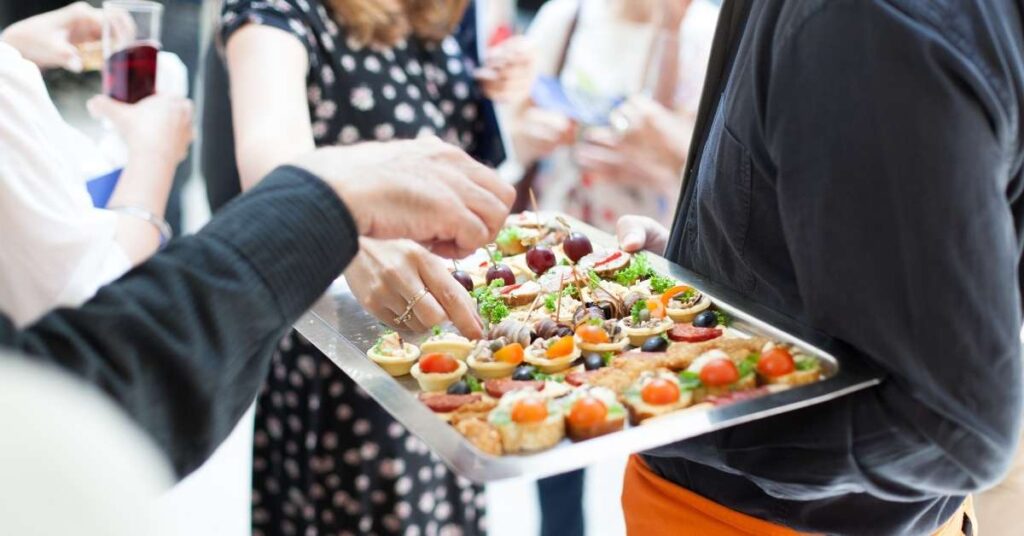
Outdoor celebrations feel more relaxed by design. Guests move around, talk in small groups, and return for seconds without ceremony.
That’s where BBQ catering makes sense. The food supports the atmosphere instead of dictating it, and the setup allows flexibility without losing structure entirely.
4. Breakfast Catering
Morning events benefit from simplicity and steady pacing. Guests usually want something easy to grab and a reliable coffee setup.
Breakfast catering works well for training sessions, early conferences, brunch celebrations, and office meetings where time matters more than formality.
5. Buffet Catering
Buffets give guests control over their portions and timing. People can eat when they’re ready and return for more if they choose.
Structured buffet catering works particularly well for open-house events, retirement parties, and larger gatherings where movement is constant.
6. Plated Dinner Service
Plated service introduces order. Guests remain seated while courses arrive in sequence, creating a more traditional dining experience.
That structure suits formal receptions, executive dinners, and evening events where timing and presentation carry more weight.
7. Holiday Catering
Holiday gatherings often come with expectations around traditional dishes and shared meals. Cooking for a large group can take days of preparation.
Many hosts prefer holiday catering so they can actually sit down and spend time with guests instead of staying in the kitchen.
8. Lunch Catering
Midday events usually require efficient service and straightforward menu options. Boxed meals, sandwich platters, and buffet trays keep things organized without slowing the schedule.
For business functions and daytime celebrations, lunch catering provides practical solutions that keep the event moving.
9. Dinner Catering
Evening events tend to feel more structured, whether they involve plated service or larger buffet selections.
Hosts planning formal celebrations or company dinners often rely on dinner catering to coordinate timing and service so the evening flows smoothly.
10. Private Event Catering
Anniversaries, milestone birthdays, retirement celebrations, and family gatherings each bring their own tone. Some call for intimate plated service. Others benefit from flexible buffet setups.
Smaller gatherings often work well with private event catering that adapts to the space, guest list, and the occasion’s mood.
11. Drop-Off Catering
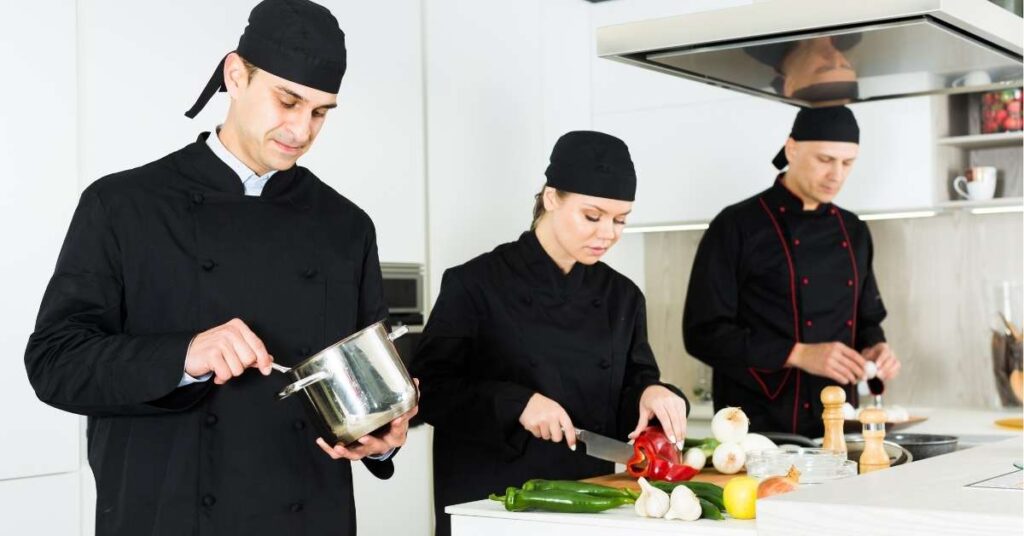
Drop-off service involves food delivery without on-site staff. It works for smaller groups where someone is available to handle internal setup and cleanup.
While it reduces staffing costs, it also shifts responsibility to the host.
12. Boxed Catering
Individually packaged meals eliminate serving lines and simplify distribution. They’re common for conferences, workshops, and training events where guests eat quickly before returning to scheduled sessions.
Reserve Your Date
The types of catering services available today range from fully staffed plated dinners to simple drop-off delivery. No single format fits every event.
Deciding on the right option depends on the size of the gathering, the tone you want to set, and how much responsibility you’re prepared to manage yourself. When service aligns with the event’s pace, the experience feels natural rather than forced.
Davoli’s Catering works with events of all sizes across Jacksonville, from weddings and corporate functions to holiday gatherings and private celebrations.
If you are looking for full-service staffing or a more flexible setup, our team helps you choose a format that fits your event.
FAQs
Which catering style works best for large events?
Buffet or fully staffed plated catering typically works best for larger guest lists because it keeps traffic organized and timing consistent.
Can one catering company handle multiple types of catering?
Yes. Many professional caterers provide several formats so hosts can select the one that fits their event size and structure.

